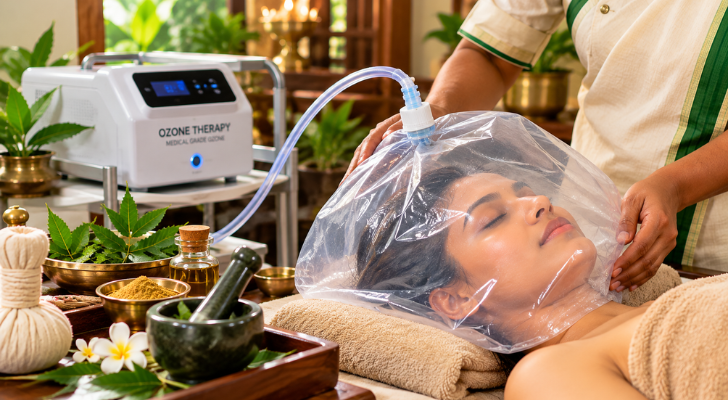
Ozone Bagging Therapy Treatment
Ozone bagging therapy is a procedure in which a body part, such as an arm, leg, or foot, is enclosed in a specialized bag or chamber for localized exposure to ozone gas. It has been used in some complementary treatment settings, particularly for certain skin and wound-related concerns.
The procedure requires specialized equipment, appropriate skin preparation, and professional supervision. Its suitability depends on the individual's medical condition and the intended treatment purpose. Clinical evidence supporting its effectiveness varies, so patients should discuss potential benefits, risks, and established alternatives with a qualified healthcare professional.
What is Ozone Bagging Therapy?
Ozone bagging therapy involves enclosing a selected area of the body in an ozone-resistant bag or chamber and introducing ozone gas according to a specific treatment protocol. The procedure is intended for localized application rather than inhalation.
Ozone is a highly reactive gas that can irritate and damage the respiratory system and other tissues if used improperly. The treatment must be performed with appropriate containment, ventilation, and safety precautions to prevent accidental exposure. A healthcare professional should assess the patient's condition and determine whether this approach is appropriate.
Benefits of Ozone Bagging Therapy
The potential benefits of ozone bagging therapy depend on the condition being treated, the application method, and the available clinical evidence. It should not be considered a replacement for established medical treatment.
Localized Application: Allows ozone to be applied to a selected body area within a specialized treatment enclosure.
Wound Care Assessment: May be considered in certain wound-care settings, although evidence of additional benefit over standard wound care remains limited.
Targeted Treatment Approach: Focuses application on a specific area rather than exposing the entire body to the treatment.
Complementary Care: May be discussed as a complementary approach for selected conditions after evaluation by a qualified healthcare professional.
Individualized Treatment Planning: Treatment suitability can be assessed according to the patient's medical history, skin condition, and clinical needs.
Professional Monitoring: Clinical supervision helps ensure appropriate equipment use, containment, and monitoring for adverse reactions.
Why Choose Ozone Bagging Therapy?
Ozone bagging therapy requires careful assessment, appropriate equipment, and strict safety procedures. A qualified healthcare professional should determine whether the procedure has a reasonable clinical indication and explain the available evidence, possible risks, and alternative treatment options.
When wound or skin conditions are involved, established care such as appropriate wound cleaning, dressings, infection assessment, and other indicated medical treatments remains essential. Ozone bagging should only be considered when its use is justified by the clinical circumstances and does not delay effective treatment.
Localized Treatment Approach
The procedure is designed for application to a selected body area under controlled conditions.
Wound Care Guidance
A healthcare professional can assess whether evidence-based wound care or other treatment options are appropriate.
Individualized Care Planning
Treatment decisions are guided by the patient's condition, medical history, and clinical requirements.
Safety and Monitoring
Appropriate containment, ventilation, and professional supervision help reduce the risk of accidental ozone exposure.
Book an Appointment
Consult our healthcare professionals to discuss your condition and determine whether Ozone Bagging Therapy is appropriate for your individual healthcare needs.
Address
Vritikadevi, No.9, Ramar Kovil Street,
Nandambakkam, Chennai