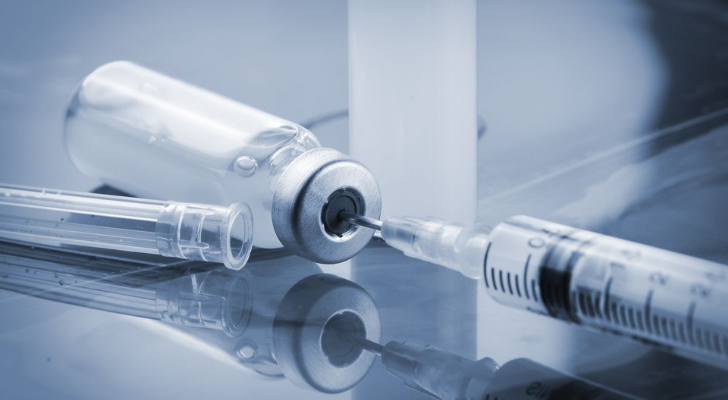
Injection Therapy Treatment
Injection therapy is a medical procedure in which medication or another prescribed substance is administered into the body using a sterile needle and syringe. Depending on the medication and the individual's condition, injections may be used to manage symptoms, treat certain medical conditions, or support recovery.
The type of injection, dosage, and method of administration are determined by a qualified healthcare professional according to the patient's medical history, diagnosis, and treatment requirements. Proper hygiene, sterile equipment, and professional supervision are essential for safe administration.
What is Injection Therapy?
Injection therapy involves administering prescribed medication into specific tissues or areas of the body. Depending on the clinical purpose, injections may be given intramuscularly, subcutaneously, intravenously, or into selected joints and other anatomical areas by appropriately trained professionals.
The procedure is selected according to the medication being used and the condition being treated. Before administering an injection, a healthcare professional reviews the patient's medical history, possible allergies, current medications, and any relevant contraindications to ensure that the treatment is appropriate.
Benefits of Injection Therapy
Injection therapy may provide several benefits when prescribed and administered appropriately as part of an individualized healthcare plan.
Targeted Medication Delivery: Certain injections allow medication to be delivered to a specific tissue or anatomical area when clinically indicated.
Symptom Management: Depending on the medication, injections may help manage pain, inflammation, or other symptoms associated with specific conditions.
Supports Medical Treatment: Injections can be used to administer medications that are necessary for treating particular illnesses or medical conditions.
Alternative Route of Administration: Certain medications can be administered by injection when oral administration is unsuitable or a different route is medically indicated.
Individualized Treatment: The medication, dosage, and administration method can be selected according to the patient's diagnosis and clinical needs.
Professional Monitoring: Healthcare supervision helps identify potential adverse reactions and supports appropriate follow-up care.
Why Choose Injection Therapy?
Injection therapy can be an important part of medical treatment when a prescribed medication needs to be administered through an injectable route. The choice of injection depends on the patient's condition, the medication's intended effect, and the recommendations of a qualified healthcare professional.
A clinical assessment helps determine whether an injection is necessary and whether alternative treatments may be appropriate. Injections should always be administered by trained professionals using sterile equipment and established safety procedures to minimize complications.
Targeted Treatment
Certain injections can deliver prescribed medication to a specific tissue or area when appropriate.
Pain and Symptom Management
Selected medications administered by injection may help manage pain or other symptoms associated with specific conditions.
Personalized Healthcare
The injection method and medication are selected according to individual medical requirements.
Safe Administration
Proper technique, sterile equipment, and professional supervision help reduce the risk of infection and other complications.
Book an Appointment
Consult our healthcare professionals to discuss your condition and determine whether Injection Therapy is appropriate for your individual treatment needs.
Address
Vritikadevi, No.9, Ramar Kovil Street,
Nandambakkam, Chennai